
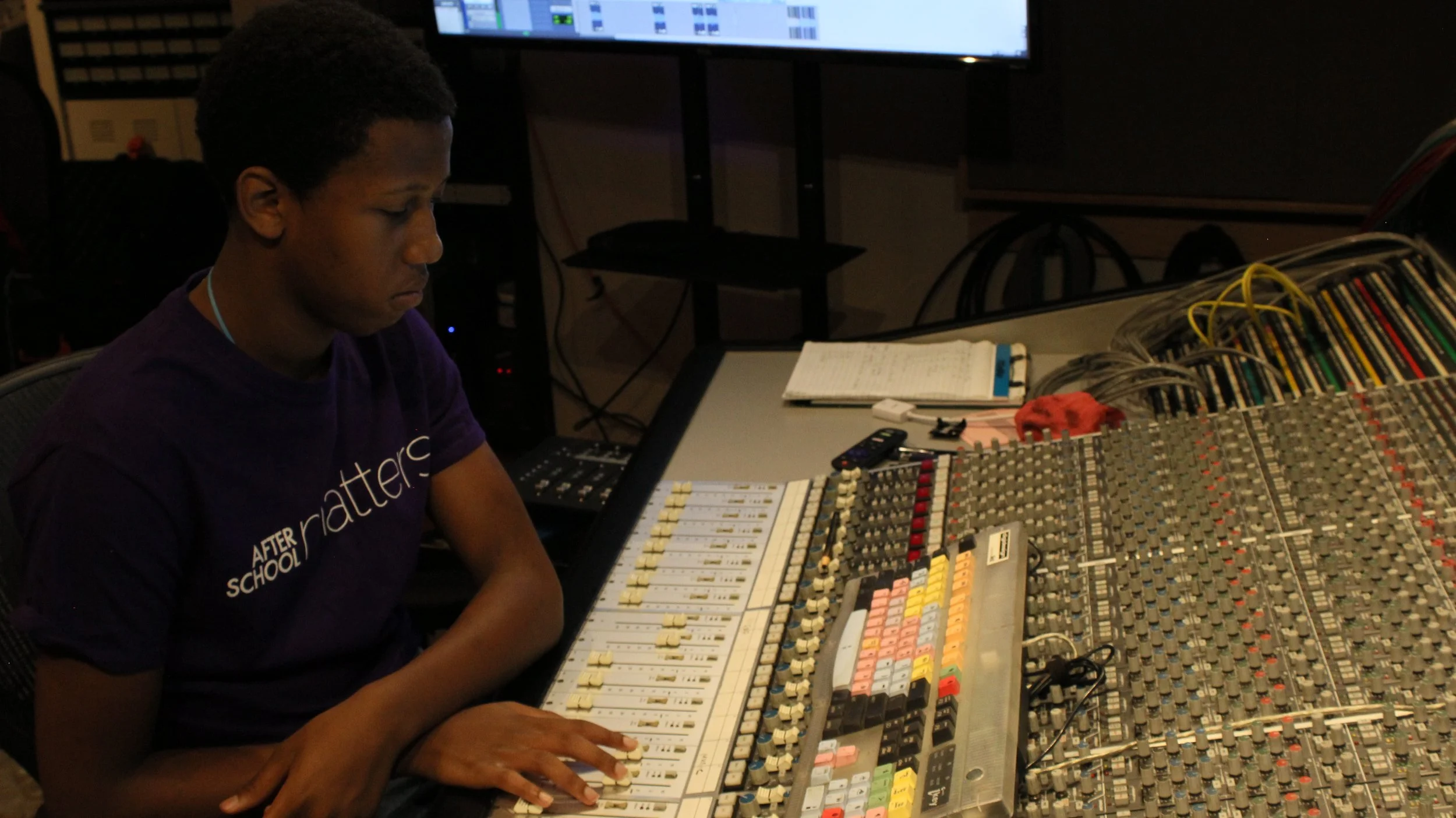
Watch TechKno Academy students in action!
Original short films, documentaries, and music videos produced by Chicago youth from concept through postproduction.
Since 2012, TechKno Academy participants have written, directed, shot, and edited their own original films and music videos, tackling some of the most pressing issues facing their communities.
Each project is student-driven: the teens choose the themes, develop the stories, and see them through to a finished screen-ready production. What you'll find below is their work, in their own voices.
To view the projects in chronological order, from 2012 to present day, scroll from the bottom and work your way up.
This story shows how home abuse and school bullying can drive some teens toward self‑harm. In our programs, this is the second time in a row teens chose bullying and self‑harm as their project focus, a worrying pattern that needs attention and support.
Students at Fenger Academy wanted to address ongoing bullying at their school. Through this music video, they aimed to encourage victims to stand up for themselves and ask for help.
The 2022–2023 student projects live on our Film Sound Design page - head there to see that year's work.
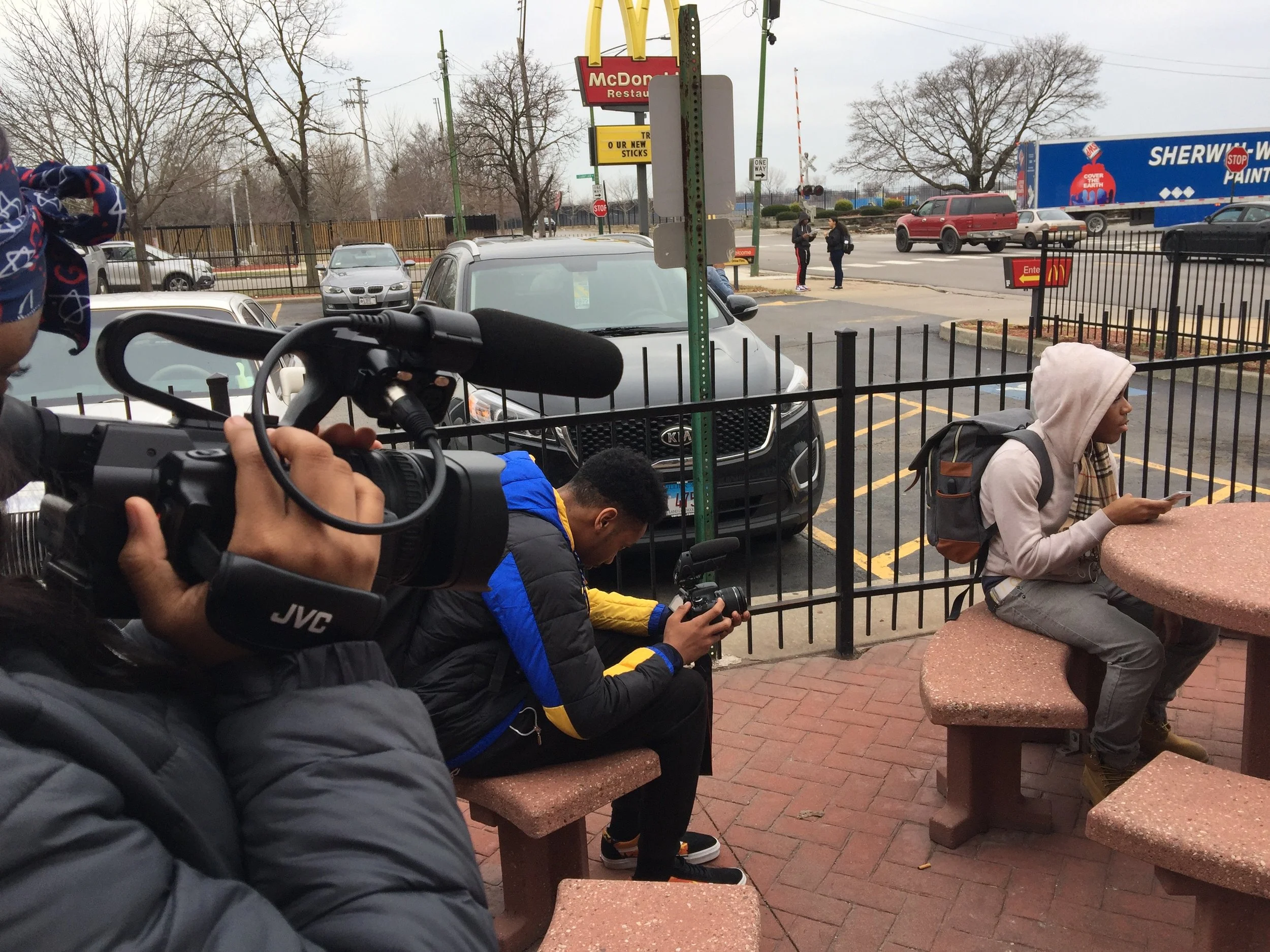
The challenge from the teens to America is clear: watch this candid, thoughtful analysis of the state of affairs in our country today, and openly acknowledge both where we’ve come from and where things currently stand.
This is a brave, candid examination of gun violence statistics, featuring firsthand interviews with victims and testimony from an anonymous Chicago police officer.
This documentary lets teens talk honestly about how, during the COVID-19 pandemic, their schooling was disrupted and why they felt robbed of a normal, uninterrupted education. It also examines the challenges of wearing masks and the tensions created by being around people who refused to do so.
When this music video was made, our country was in the grip of a pandemic and the Black Lives Matter movement was front and center in national conversation. The TechKno Academy teens wanted to declare that they are royalty; a proud, dignified identity rather than the distorted way others sometimes portrayed them.
Video projects in this section were created during the COVID-19 Pandemic.
All interaction with teens took place during virtual program days

Looking for shelter, a homeless teen finds a facility where he finds a long lost relative, and hope for the future.
After widespread protests over police brutality, TechKno Academy teens observed school walkouts and wanted to show solidarity with their peers and insist that young people be seen as individuals with lives and stories, not just statistics.
A story about a teen who made the horrible decision to help the family out financially by dealing drugs in their community.
This story, based on true events, is about school bullying and parents who abuse drugs and are basically absent at home, leaving their teens at home to raise themselves.
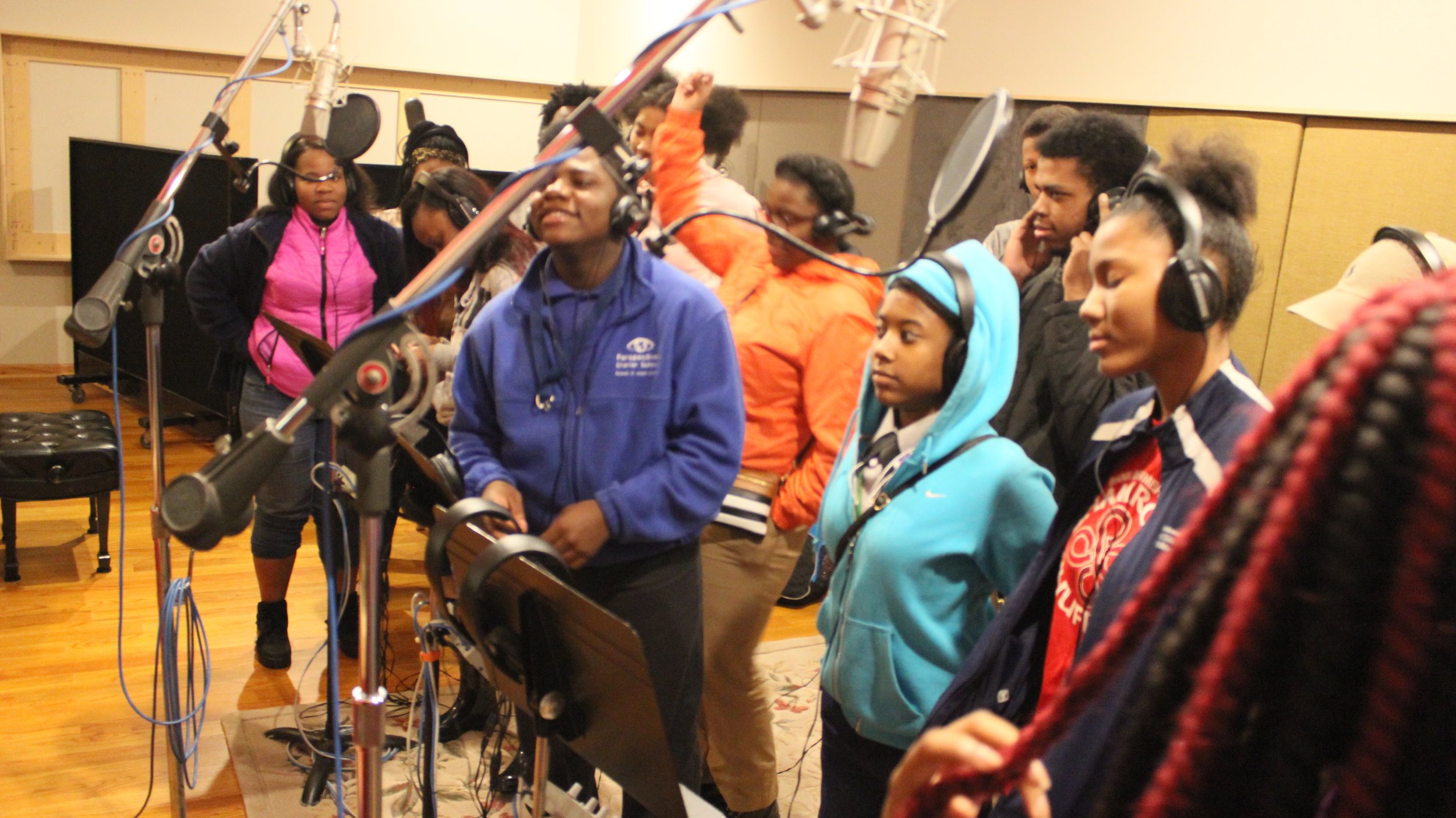
In this short film, teenagers reveal how internalized racism damages relationships within a family. Drawing on a real family’s experience, the story follows painful but necessary conversations and the resilience required to confront deeply held beliefs, ultimately guiding them toward understanding and a healthier, more hopeful outcome.
This short film on bullying and self-awareness follows two high school teens who, after being bullied and pushed aside by peers, choose to reclaim their lives by standing up for themselves and living authentically.
After screening the film Selma, the MEMa Studio teens felt moved to reflect on our nation's past and consider how far we've come and where we stand today.
In this Documentary on Violence and Self-Awareness, teens define WISDOM as: W - Wisdom, I - Is, S - Seeking, D - Different, O - Opportunities, M - Morally. They researched their names, and the findings closely matched their personalities and outlooks. This is another thoughtful discussion about the causes, persistent challenges, and potential solutions for gun violence affecting underserved communities on Chicago’s South Side.
The gun-violence documentary examines street gangs, drug activity, and gun violence on Chicago’s South Side by interviewing grieving parents who lost children to shootings, a licensed clinical counselor, and music producer and performer Donald Lawrence, who explains how music can shape thinking, influence behavior, and can offer pathways toward healing and resilience.
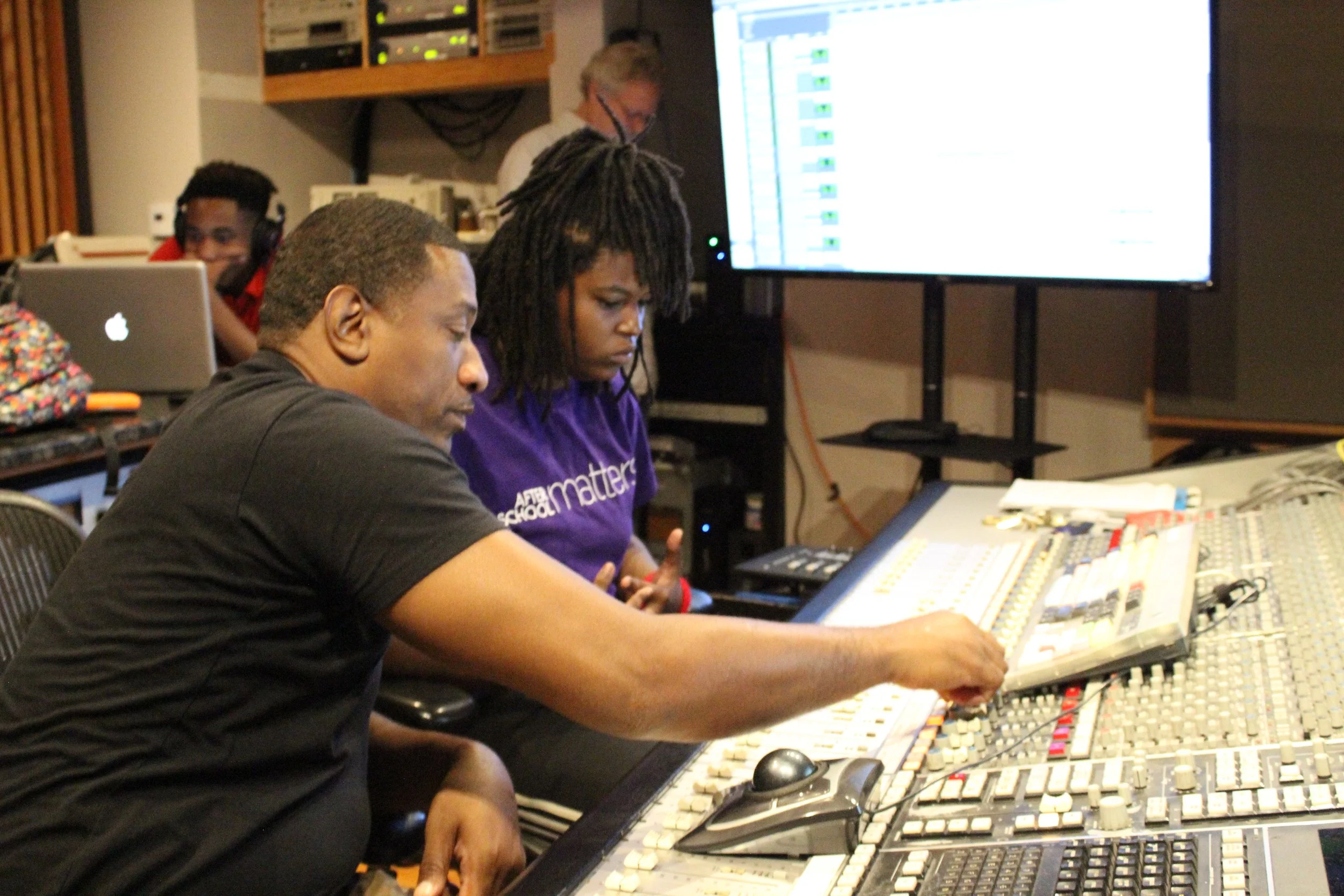
This docudrama on teen pregnancy follows TechKno Camp teens as they interview local mothers who had their first child as teenagers, capturing personal stories and emotional realities, and a community social worker. It highlights the challenges of teen pregnancy; social, economic, and educational, and presents practical strategies and community-based approaches to prevent it in underserved neighborhoods.
After School Matters noticed our success with the Lighthouse Youth Center and awarded a contract, providing production equipment and a dedicated community space at 75th and State Street on Chicago’s South Side. Instructors followed the previous year’s plan, guiding local teens through writing, producing, and creating the entire project. The teens’ central message was to be yourself and resist simply following the crowd. WGN News later covered their work and the positive impact it had on the neighborhood.
The same talented youth group from the Lighthouse Youth Center set out with the intention to create a Self-Awareness music video to accompany the previous “Black Beauty” short film. Instructors John Johnson (Video), Dyryl Burnett (Music), and Kirk Denson (Audio) guided the young creatives every step of the way, sharing skills, encouragement, and hands-on mentorship to help them bring their vision to life. Together they collaborated, learned, and produced this awesome video.
This 2012 Short Film on Self-Awareness started it all. In the summer of 2012, MEMa Studio launched “Tech-Kno Camp” to engage South Side Chicago youth, teach music and film production, and provide a supportive space for them to express their creative talents. The camp partnered with The Lighthouse Youth Center and House of Hope Arena, where MEMa founder Kirk Denson served as Technical Director. With the assistance additional House of Hope production staff (Mandell Brown, Nelson Robinson, Ken Riley, Steve Wheeler, Kevin Watson and Mark Tutson) participating youth focused on helping their peers recognize and value their inner beauty.